Phone: +1-833-814-3833

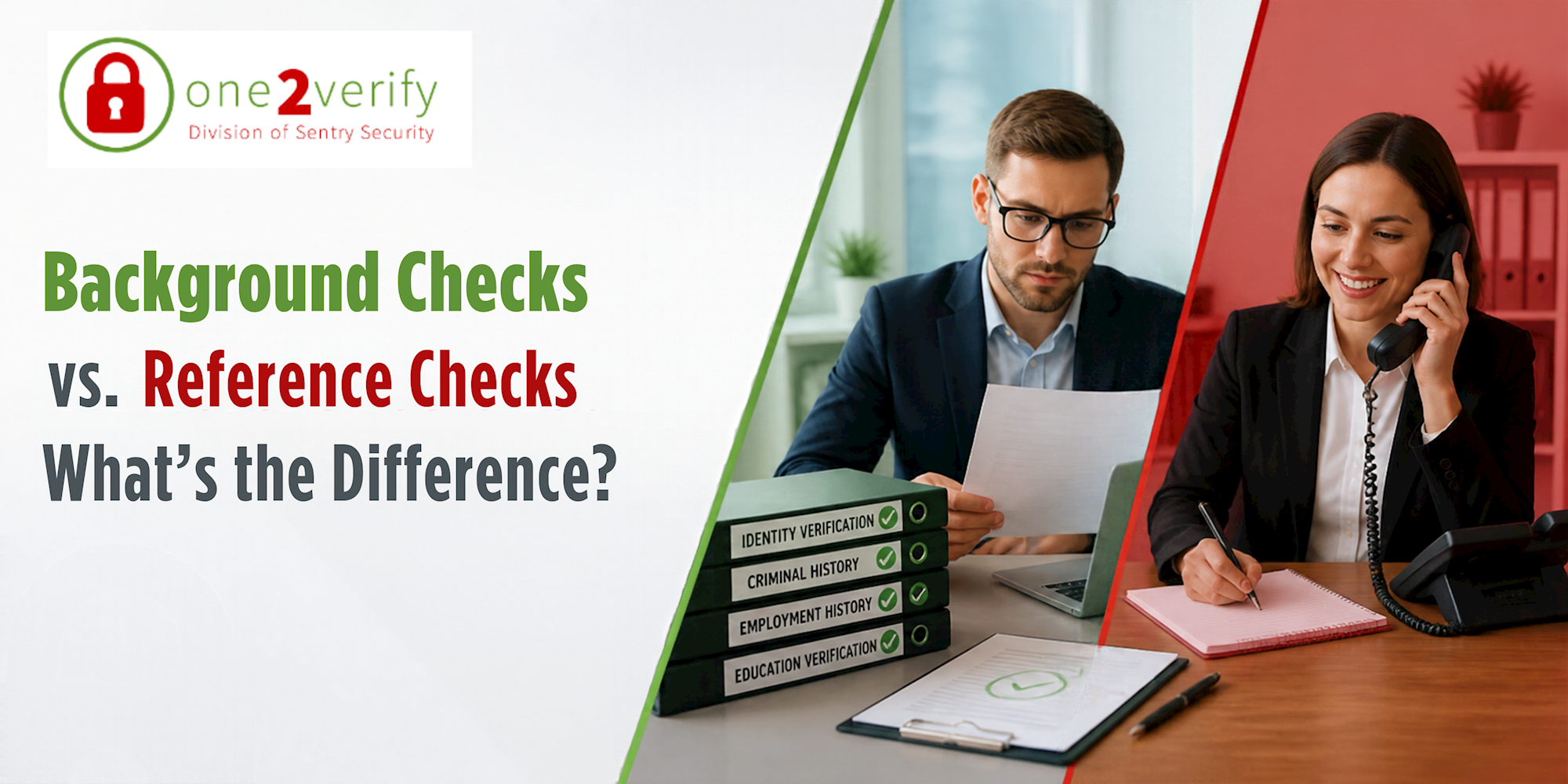
Hiring decisions often depend on information that goes beyond a resume or interview. A candidate may present impressive qualifications, but employers still need to verify those claims and understand their previous workplace performance.
Background checks and reference checks help answer these questions. Although both are part of the pre-employment screening process, they provide different types of information. Understanding their roles helps businesses across the United States make informed hiring decisions.
A background check verifies specific information about a job applicant through authorized records and reliable sources.
An employee background check company may help employers conduct several types of verification, including:
The type of screening depends on job responsibilities, industry requirements, and applicable laws.
A reference check involves contacting individuals familiar with a candidate's professional experience.
Former managers, supervisors, and colleagues may provide information about workplace behavior, communication, reliability, and job performance.
Professional reference checks can help employers understand how candidates handled responsibilities and interacted with team members.
However, feedback may be subjective or limited. Employers should ask consistent, job-related questions to obtain useful information.
|
Background Checks |
Reference Checks |
|
Verify factual information |
Gather professional feedback |
|
Use authorized records and verification sources |
Involve conversations with references |
|
Confirm qualifications and employment details |
Assess previous workplace performance |
|
May involve third-party screening providers |
Often conducted by HR teams |
|
Focus on documented findings |
Include personal observations |
Both methods contribute to candidate background verification, but neither provides a complete assessment independently.
The timing of screening can influence the recruitment process.
Reference checks are commonly conducted after interviews, once employers have shortlisted suitable candidates.
Background checks often take place during the final hiring stages, sometimes after a conditional job offer, depending on applicable laws and company policies.
Employers should establish a consistent screening timeline and communicate requirements clearly to applicants.
Background checks cannot fully replace reference checks because they answer different questions.
For example, employment history verification may confirm that an applicant held a management position. A reference check may explain how effectively the candidate supervised employees or handled workplace challenges.
Combining both approaches provides factual verification alongside professional feedback.
A discrepancy does not automatically mean a candidate provided false information.
Employment dates may differ because of administrative errors, outdated records, or misunderstandings.
Employers should review the information, allow appropriate clarification, and follow applicable legal procedures before making decisions.
This approach supports a fair employee screening process and prevents unnecessary assumptions.
Employers in the United States should follow applicable federal, state, and local employment screening laws.
Important considerations include:
A structured screening process helps employers verify qualifications, review relevant records, and reduce hiring uncertainty.
Working with a professional employee background check company can support accurate pre-employment background checks and responsible verification practices.
Need reliable employment screening services? Contact One2Verify to learn more about its background verification solutions and take a more informed approach to hiring.