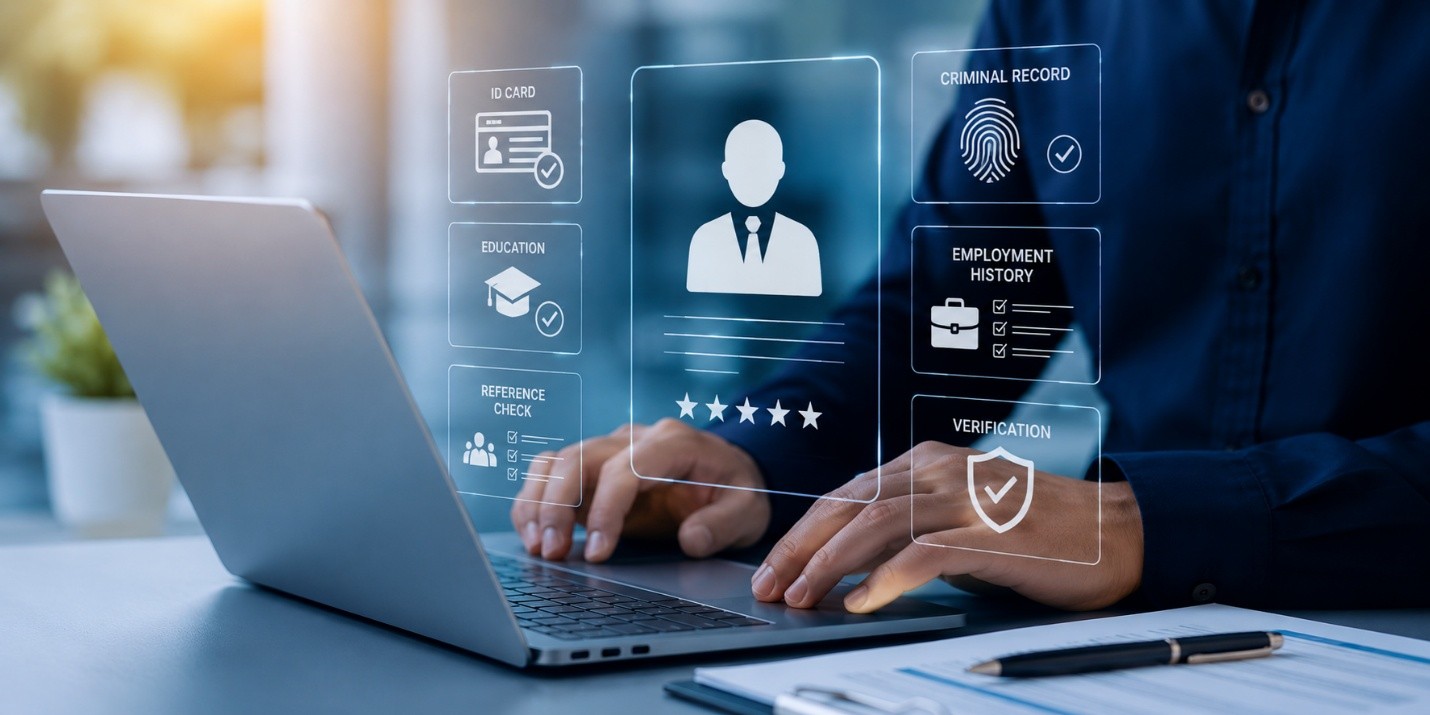
Hiring has changed significantly over the past few years, and background screening is changing right along with it. Companies are no longer looking at background checks as a simple formality before onboarding a candidate. In 2026, businesses are treating screening as a major part of risk management, workplace safety, compliance, and hiring quality.
From remote hiring to faster verification systems, employers now expect deeper insights without slowing down recruitment. At the same time, candidates want transparency, fairness, and quicker hiring decisions.
This shift is pushing organizations to rethink how they use employment screening services and what they expect from screening partners.
Here’s a closer look at the biggest changes shaping background screening in 2026.
Faster Hiring Means Faster Screening
One of the biggest hiring challenges today is speed. Companies are competing for skilled talent, and delays in verification can lead to losing strong candidates.
Traditional manual checks are gradually being replaced with digital verification systems that provide quicker turnaround times. Employers now expect screening providers to deliver accurate reports within shorter timelines without compromising compliance.
In 2026, many businesses are focusing on:
• Real-time identity verification
• Faster employment history checks
• Automated document validation
• Digital consent processes
• Streamlined onboarding workflows
What this really means is that companies want hiring decisions backed by verified information while still keeping the recruitment experience smooth for candidates.
Remote Hiring Continues to Influence Screening
Remote and hybrid work models are still shaping recruitment practices across industries. Employers are now hiring candidates from different cities, states, and even countries.
Because of this, background screening is becoming more global and more detailed.
Organizations are now checking:
• International employment records
• Cross-border education verification
• Remote identity authentication
• Digital fraud risks
• Compliance across multiple jurisdictions
A remote employee may never step into a physical office before joining the company. That makes accurate verification even more important.
Businesses using professional employment screening services are better equipped to manage these complexities while maintaining hiring standards across locations.
Identity Fraud Detection Is Becoming a Priority
AI-generated resumes, fake certificates, and manipulated employment records are becoming more common. Employers are seeing a rise in candidates presenting inaccurate information during recruitment.
This has increased the demand for stronger identity verification systems.
In 2026, companies are investing more in:
• Biometric verification
• Facial matching technology
• Secure digital document authentication
• Fraud detection tools
• Real-time verification platforms
Employers are no longer relying only on resumes and interviews. Verification now plays a bigger role in confirming candidate authenticity before hiring decisions are made.
Compliance Requirements Are Growing
Background screening laws continue to evolve, especially around data privacy and candidate rights.
Businesses must now handle personal information carefully while following local and international regulations. Non-compliance can lead to legal complications, financial penalties, and reputational damage.
Modern screening practices now focus heavily on:
• Candidate consent management
• Data security
• Privacy compliance
• Fair hiring practices
• Transparent reporting
Employers also need screening processes that reduce bias and support fair evaluations.
This is one reason companies are increasingly partnering with experienced screening providers who understand changing regulations and compliance standards.
Continuous Screening Is Gaining Attention
Many organizations are moving beyond one-time pre-employment checks. Instead, they are adopting ongoing monitoring practices for specific roles and industries.
Continuous screening is becoming more common in sectors such as:
• Healthcare
• Financial services
• Transportation
• Education
• Government contracting
For example, businesses may conduct periodic license verification, criminal monitoring, or compliance checks after an employee joins the organization.
This approach helps employers manage workplace risks proactively instead of reacting after issues arise.
Candidate Experience Matters More Than Ever
Today’s job seekers expect professional and transparent hiring experiences. A slow or confusing screening process can negatively impact employer branding.
In 2026, companies are paying closer attention to:
• Mobile-friendly verification processes
• Faster communication
• Clear consent procedures
• Simple document submission systems
• Real-time status updates
Candidates want to know:
• What information is being verified?
• How long will the process take?
• How will their data be used?
A smoother screening process not only improves hiring efficiency but also creates a stronger first impression of the company.
Industry-Specific Screening Is Expanding
Different industries now require more customized verification practices based on operational risks and compliance requirements.
For example:
• Healthcare employers may focus on license verification and sanctions screening.
• Logistics companies may prioritize driving records and safety checks.
• Financial firms often require credit history reviews and regulatory compliance checks.
• IT companies may focus on cybersecurity and identity validation.
This industry-focused approach is making background screening more strategic rather than generic.
AI and Automation Are Supporting Smarter Decisions
Artificial intelligence is playing a larger role in screening workflows, especially for handling repetitive verification tasks and identifying inconsistencies in candidate data.
However, employers are also becoming cautious about overdependence on automation. Human review still remains important for accuracy, compliance, and fair decision-making.
The goal in 2026 is balance:
• Faster verification through automation
• Better risk detection through AI
• Human oversight for final evaluation
Companies want technology that supports smarter hiring without removing accountability from the process.
Final Thoughts
Background screening in 2026 is becoming faster, more digital, more compliant, and more focused on risk management. Employers are no longer looking at verification as a basic hiring step.
It has become a critical part of building trustworthy and secure workplaces.
As hiring models continue to evolve, businesses need reliable screening processes that protect both organizational reputation and candidate experience.
Looking for Reliable Employment Screening Services?
One2Verify provides professional background verification solutions designed to support faster hiring, compliance management, and smarter workforce decisions.
Contact us today!